


Why Safety Protocols Are Essential for Fleet Managers in Australia
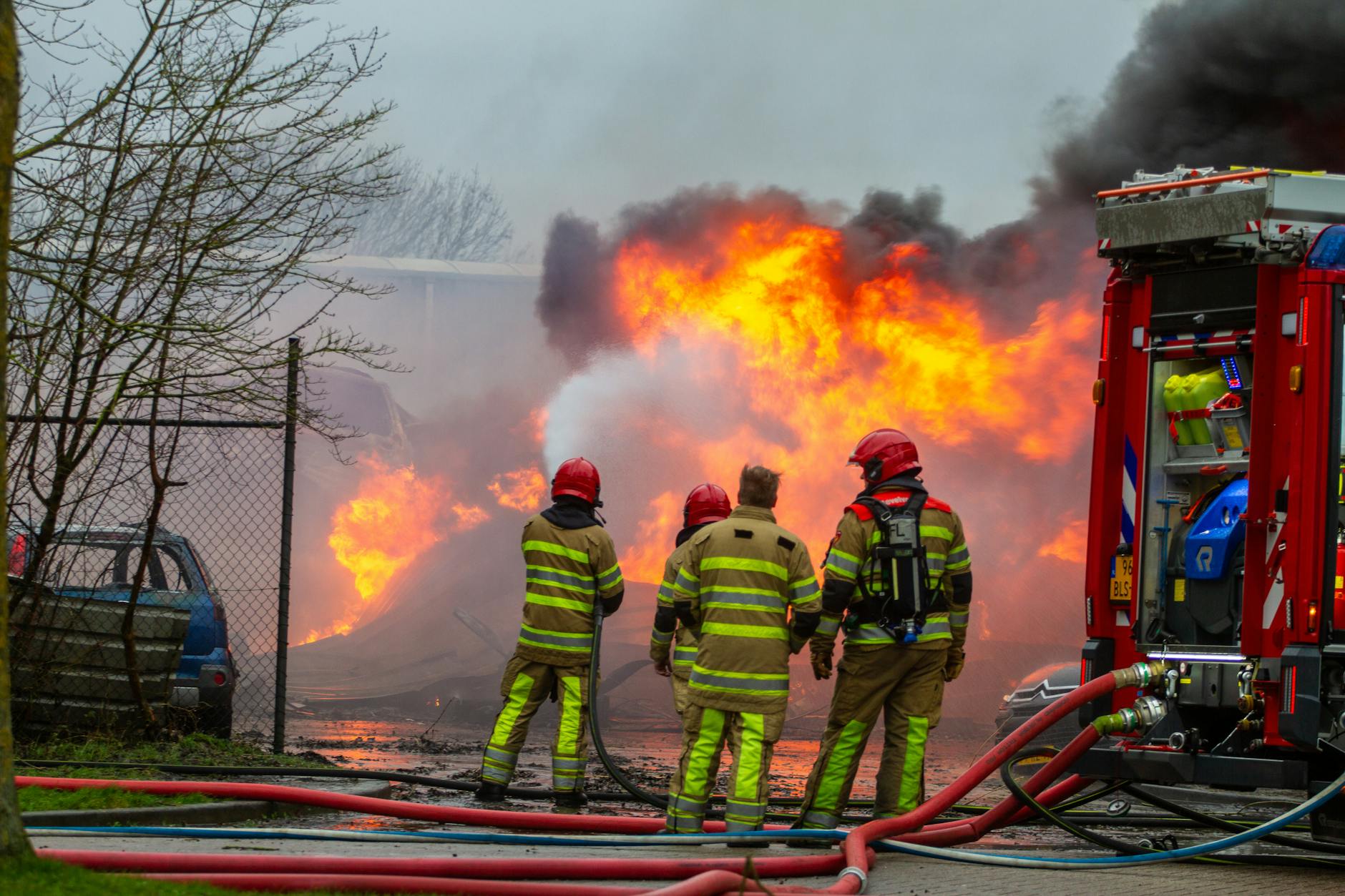
Importance of Safety Protocols
Safety protocols play a crucial role in the logistics and transport sectors, especially amidst Melbourne's bustling environment. Here, the Port of Melbourne stands as a pivotal hub for shipping logistics, where maintaining operations without accidents is paramount.
Protecting Human Lives
Effective safety measures are essential for safeguarding human lives. By implementing these practices, we can avert serious injuries and minimise the risks of fatalities. Understanding accidents law is vital to creating a safer environment in this context, as it informs the necessary legal precautions and actions post-incident.
Enhancing Operational Efficiency
Safety measures go beyond protection; they enhance operational efficiency. Knowing how to find car accident lawyers in case of incidents helps streamline legal processes and reduces downtime. When everyone consciously follows safety protocols, it allows for smoother operations and reduces unnecessary halts that might occur due to accidents.
Reducing Legal Risks
By adhering to stringent safety protocols, we can significantly lessen legal repercussions. Consultation with accident lawyers melbourne can provide insights into navigating potential legal challenges. This preparedness positions businesses to handle disputes efficiently, minimising the impact on daily operations.
Incorporating safety protocols ensures peace of mind and fosters a proactive culture in Melbourne's logistics and transport sectors. These standards transcend mere compliance, setting up businesses for a sustainable and legally sound operation.
Key Components of Safety Protocols
Regular Vehicle Maintenance
Regular vehicle maintenance is a cornerstone of safe operations in the transport sector, particularly in bustling logistics hubs near Melbourne Airport. Keeping vehicles in top condition not only safeguards driver safety but enhances efficiency and reliability. Maintenance includes routine checks on tyre pressure, brakes, and engine condition which helps prevent avoidable accidents that could potentially lead to complex legal situations involving road accident law. Implementing a comprehensive preventative maintenance schedule reflects our commitment to safety and compliance.
Driver Training Programs
Effective safety protocols rely heavily on robust driver training programs. By incorporating comprehensive driver education, logistics operators can significantly improve road safety. Training covers defensive driving techniques, understanding vehicle dynamics, and the importance of adherence to road regulations. Additionally, programs tailored for specific regions, such as the western suburbs, might involve insights from car accident lawyers western suburbs to better acquaint drivers with local legal expectations and consequences.
Emergency Response Plans
Creating an effective emergency response plan is crucial for minimising the consequences of accidents. These plans should detail steps for drivers and logistics teams to follow in the event of a crash, addressing immediate safety measures and subsequent reporting procedures. Consulting with motor vehicle accident lawyers St Albans can provide valuable insights into legal obligations and documentation that must be completed after an incident. Equipping logistics staff with well-structured response protocols ensures a swift, coordinated reaction that prioritizes safety and legal compliance.
Implementing Effective Procedures
Setting Clear Guidelines
To bolster safety within logistics, establishing precise guidelines is essential. Having comprehensive rules reduces confusion and enhances safety, whether you're maneuvering around the logistics hubs near the Melbourne Airport or navigating busy terminals. Clear protocols help uniformly address issues like road accidents. For those overseeing fleets, consulting motor vehicle accident lawyers hoppers crossing can prove beneficial when revising these guidelines to ensure legal compliance.
Monitoring Compliance
A proactive approach to monitoring compliance ensures that safety protocols are enforced effectively. Regular reviews and inspections help keep procedures relevant. Implementing technology, such as fleet management software, can support this by tracking driver behaviour and vehicle performance in real time. This oversight aids in identifying trends that could escalate into safety hazards.
Continuous Improvement Strategies
Safety protocol is not a static concept; it demands regular updates to align with current standards. By fostering a culture of continuous improvement, organisations can collect and analyse data to refine their strategies. Engaging with experts, such as accident lawyers thornbury, offers valuable insights into evolving legal frameworks, thus mitigating risks.
To keep abreast of best practices, comparative analyses with industry benchmarks can be beneficial. Leveraging local expertise, particularly from the Port of Melbourne, could serve as a model for further enhancements in your safety protocols. Adopting such a thorough approach makes transport and logistics operations safer and more efficient.
Challenges in Adoption
Resistance to Change
Navigating the intricacies of implementing new safety protocols often hinges on overcoming resistance to change. It’s not uncommon for employees to feel apprehensive about altering routines, especially when these protocols affect daily operations. Encouraging buy-in requires effective leadership and communication, emphasizing the benefits of change such as improved safety and efficiency. In my experience, involving staff in the development of protocols can foster a sense of ownership, making transitions smoother.
Communicating Effectively
Effective communication is crucial for the successful adoption of safety protocols. Messages need to be clear and accessible to everyone in the organisation. For logistics and transport professionals, this could involve regular briefings at key hubs like the freight terminals in Laverton North. Utilising a combination of oral and written instructions ensures everyone understands their role in maintaining safety standards. Additionally, providing clear examples of real-life scenarios helps solidify concepts.
Overcoming Resource Constraints
Resource constraints often pose a significant barrier. I’ve found that prioritising budget allocations for critical safety measures goes a long way. Engaging accident lawyers, such as motor vehicle accident lawyers emerald hill or accident lawyers heidelberg, can also be an invaluable resource in understanding the legal implications and ensuring compliance with safety regulations. Seeking partnerships and utilising local resources can help alleviate some of these constraints, allowing organisations to establish robust safety protocols without overextending their budgets.
FAQs
Addressing Common Concerns
In the bustling arena of logistics and transport, especially around the busy lanes of the Port of Melbourne and the freight terminals in Laverton North, addressing common concerns head-on is essential. One prevalent issue relates to heavy vehicle accidents and understanding the legal ramifications. It's crucial to establish clear protocols for accident documentation and reporting. Implementing a straightforward, step-by-step guide ensures compliance and quick response. Regular training programs can also demystify accident law-related topics, enhancing a sense of preparedness among drivers.
Quick Solutions for Managers
For logistics managers operating near Melbourne Airport and other key hubs, agility in problem-solving can make all the difference. Emphasising quick decision-making in the face of incidents is vital. Consider deploying technology solutions like GPS tracking and real-time reporting systems that alert managers to potential delays or risks promptly. Additionally, having a ‘go-to’ checklist for immediate post-incident action can mitigate further complications, ensuring swift returns to operational efficiency. This proactive stance not only curbs unnecessary downtime but also strengthens internal team dynamics.
Resources for Continued Education
Keeping abreast of the latest safety protocols and accident laws is essential in fostering a safety-conscious environment. I recommend turning to resources such as local training programs and workshops tailored for the logistics sector, with specifics related to compensation for injury in a transport setting. Leveraging online courses and seminars offered by industry associations helps in staying updated. Finally, forging connections with peers from the Melbourne logistics community offers practical insights and shared learnings, manoeuvring us all towards safer journeys.